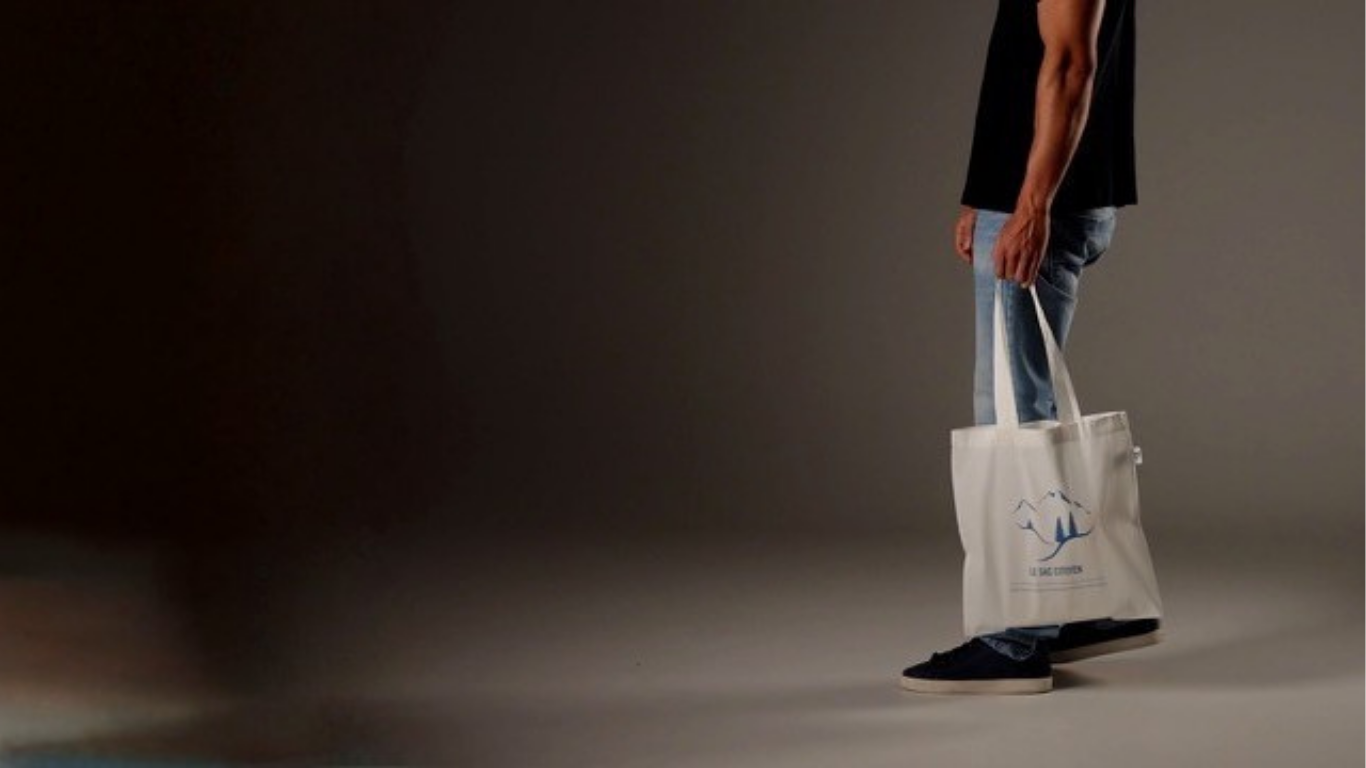
TreeTote® by BioApply:
When “Natural” Isn’t Enough
How true sustainability goes beyond “natural” materials, and how transparent communication can bring the whole journey to life for consumers.
Innovation Creates Value When Measured
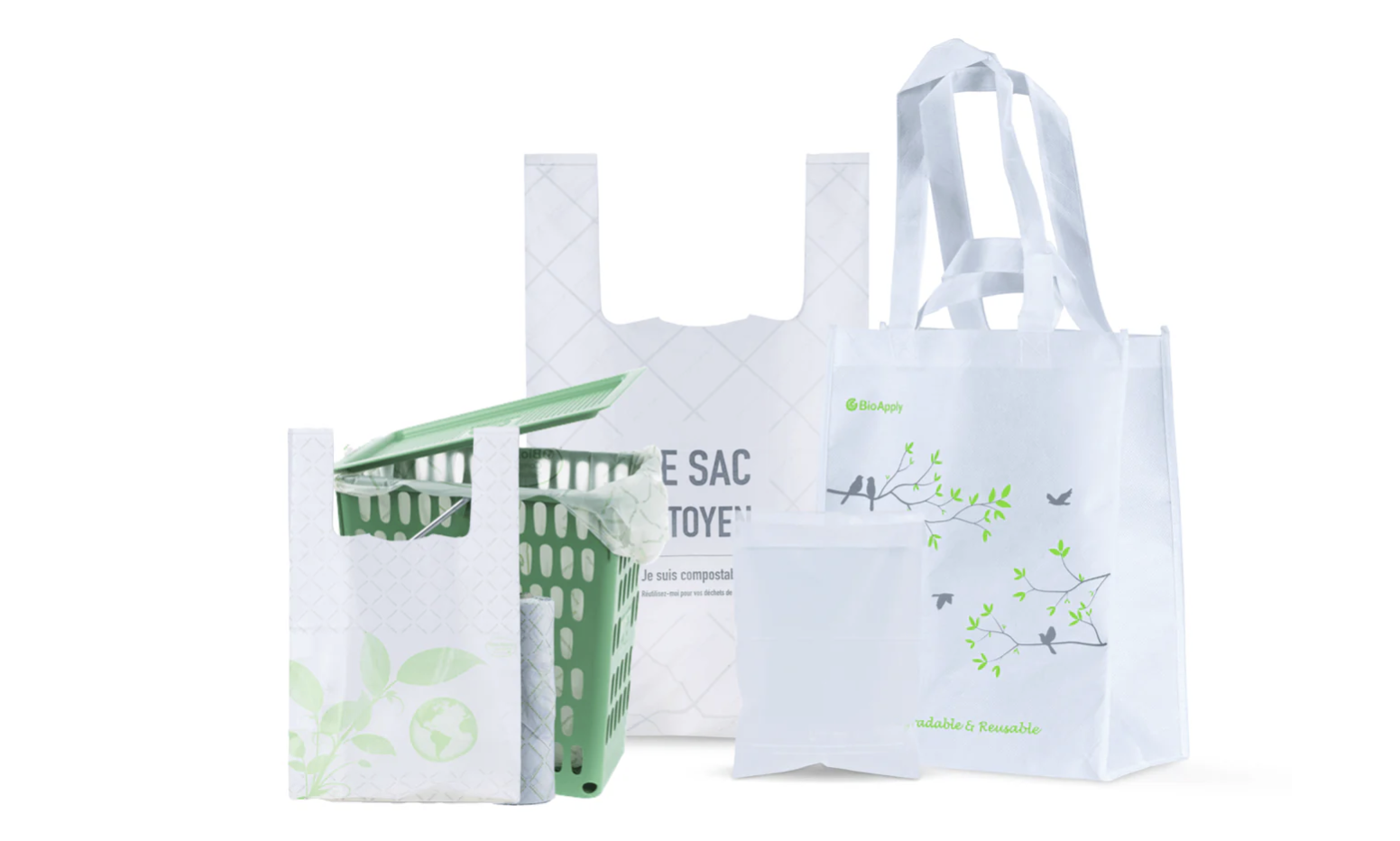
BioApply is a pioneer in sustainable packaging, offering compostable and reusable alternatives for industries across Europe since 2006. Over time, the company's mission has grown: from reducing plastic waste with compostable packaging to also developing innovative reusable solutions.
Context
- Longstanding player in sustainable packaging (since 2006)
- Completing portfolio of compostable double-use bags (shopping, then sorting organic waste) with reusable solutions
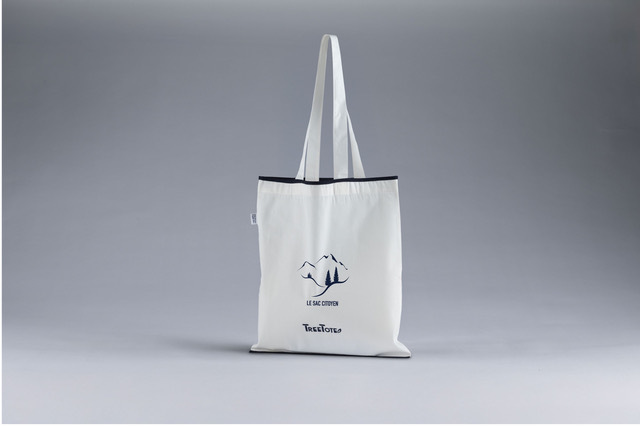
- Launching TreeTote®, the most sustainable tote bags on the market. European Wood fiber based, as a dramatically more responsible alternative to cotton. Achieving +95% reduction of water consumption.
Natural Doesn’t Always Equate to Sustainable
While cotton bags are marketed as “green,” their environmental footprint is often heavier than expected.
Validating Material & Supply
How to prove wood fiber as a credible alternative while mapping its complex supply chain?

Balancing Innovation & Trust
How to push brand innovation while giving stakeholders the proof and transparency they need?
Sustainability Beyond Material
TreeTote, the wood fiber tote project is more than just about replacing cotton. The BioApply team aims to:

Prove that sustainability
is about the entire process, not just the material chosen

Use innovation and technology
to create alternatives more responsible than conventional “natural” fibers

Ensure every production step
from fiber to fabric, from sewing to certification is guided by eco-responsibility

Make these choices visible to consumers
so they can follow the bag’s journey and understand why it’s truly sustainable
Solution: BioApply Respect-code
A traceability system that brings the tote bag’s story directly to consumers.

What Respect Code reveals:
- Material Origin: wood fiber responsibly sourced from sustainable European forests
- Transformation process: how fiber becomes fabric and fabric becomes a functional bag
- Production details: thread selection, certifications, and finishing
- Eco-design decisions: replacing cotton with lower-impact fiber, choosing certified components.
- End-of-life options: reuse, compostability, and recycling pathways

Risk, Transparency
and Supplier Trust

BioApply created a traceability system that is both credible and scalable.
Supplier disclosure
Sharing partner names and locations carried competitive risk, but strengthened collaboration and consumer confidence.
Complex supply chain
Multiple production steps had to be aligned, documented, and verified.
Learning curve
Adapting to the PDNA platform required effort, but was supported by BioApply’s existing sustainability culture.
TreeTote®: From Fiber to Tote Bag:
Making Sustainability Tangible
- First wood fiber tote bag brought to market with validated traceability.
- Respect Code QR label on each bag, giving consumers instant access to its journey.
- Strengthened supplier partnerships through shared responsibility.
- Created a clear model for future reusable innovations.

© 2025 Product DNA ALL RIGHTS RESERVED